🌎 Realms
Domains of expertise that define how we operate
Realms are the business and technical domains you need to understand to lead, ship, and grow at Brax.
🧐 What Are Realms?
Realms are the core domains of knowledge that shape how we think about problems and make decisions. They cover everything from product strategy to supply chain logistics to security practices.
Why they matter:
- For ICs: You need deep knowledge in your craft (e.g., software engineering). Understanding adjacent realms (product, security) makes you more effective.
- For managers: You’re expected to demonstrate proficiency in one or more realms relevant to your role. This isn’t optional—it’s part of the leadership framework.
- For everyone: Realms give you the vocabulary and context to have meaningful conversations across teams.
Example: A product manager working on BraX3 needs depth in Product Management and Manufacturing realms. An engineering lead needs Software Engineering plus Information Security.
📚 The Realms
Below are the core realms at Brax. Each includes concepts, frameworks, and areas of activity. Click through diagrams to explore the full scope.
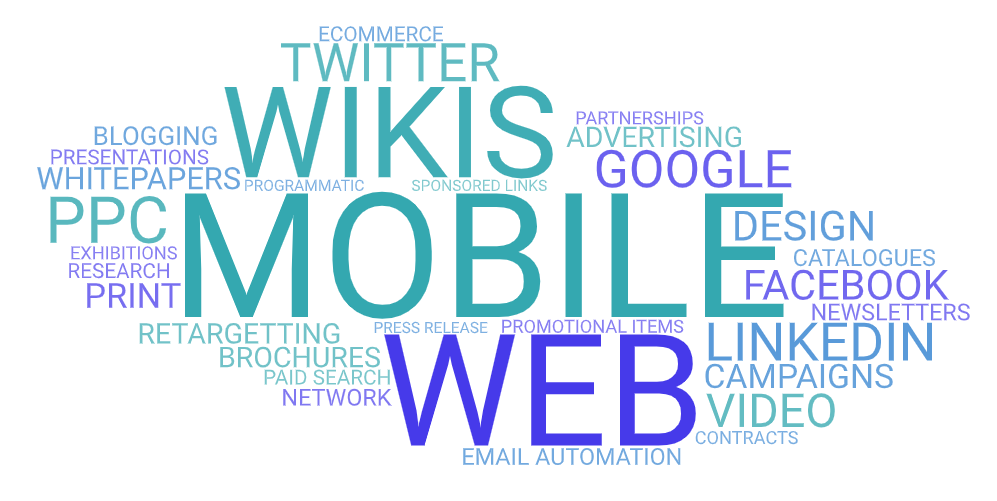
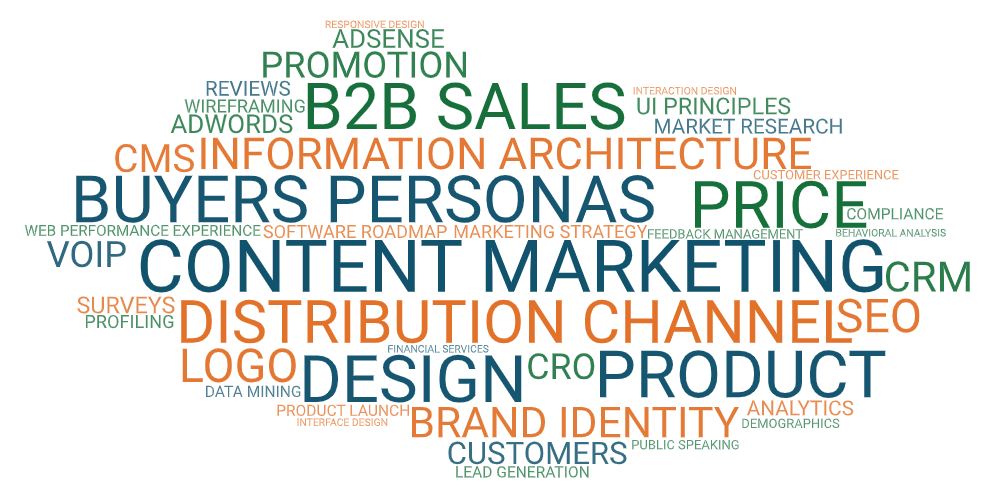
📢 Marketing
Understanding how we reach customers, communicate value, and build brand. Covers positioning, campaigns, channels, analytics, and growth strategies.
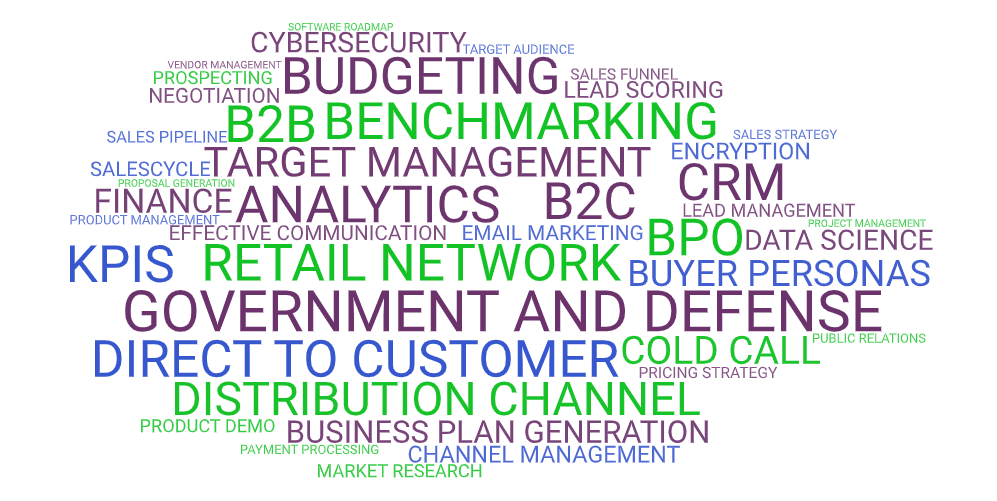
📈 Business Development
Identifying and capturing new opportunities. Includes partnerships, channel strategy, deal structures, and competitive positioning.
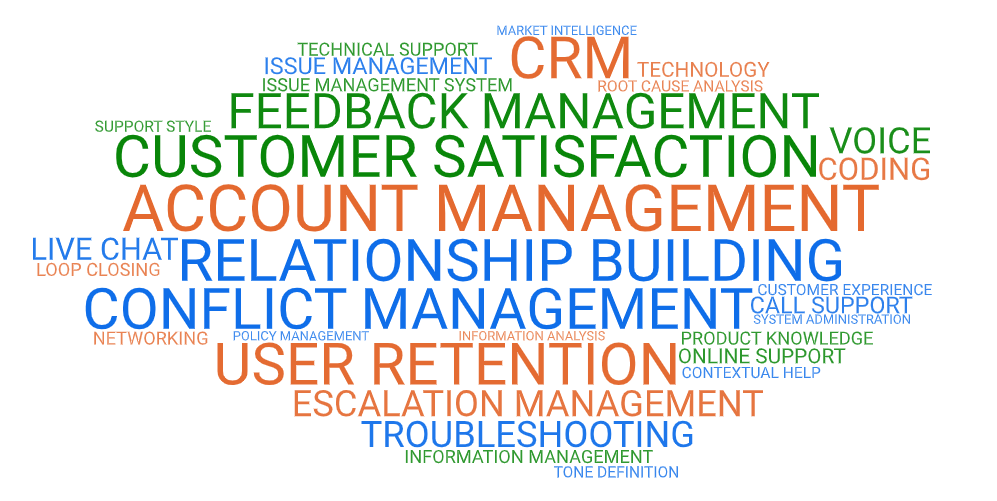
📞 Customer Service & Account Management
Supporting users post-sale. Covers ticketing, SLAs, escalation paths, customer success, retention, and account growth.
📦 Product Management
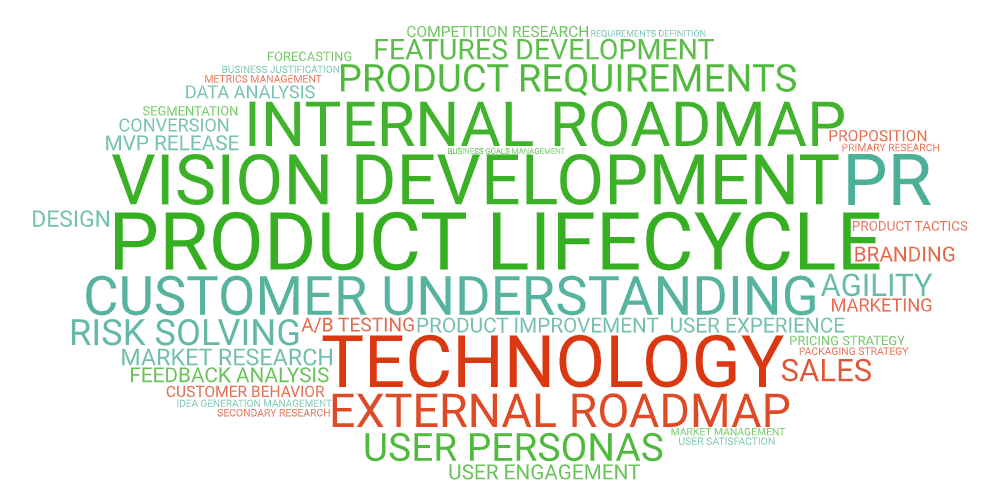
Defining what to build and why. Includes user research, roadmapping, prioritization, feature specs, and go-to-market.
📅 Project Management
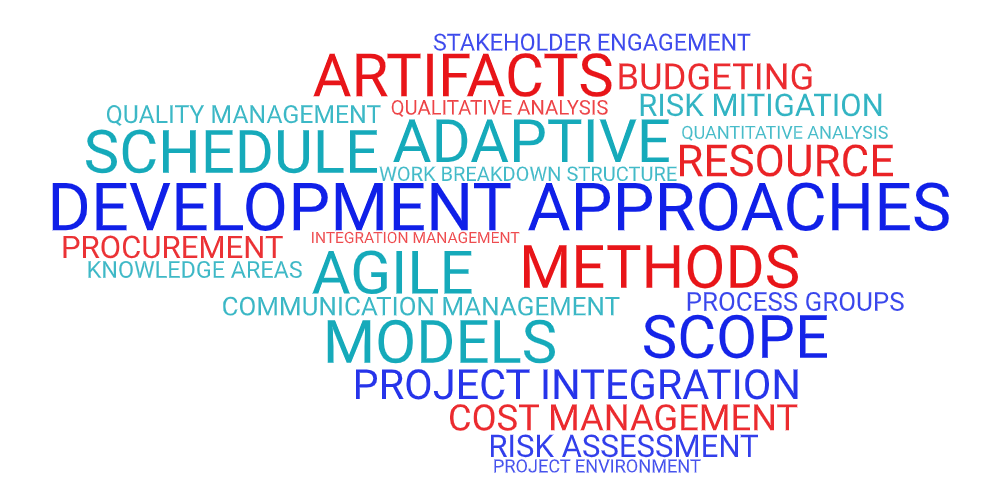
Delivering work on time and on budget. Covers planning, estimation, risk management, stakeholder communication, and execution.
💻 Software Engineering
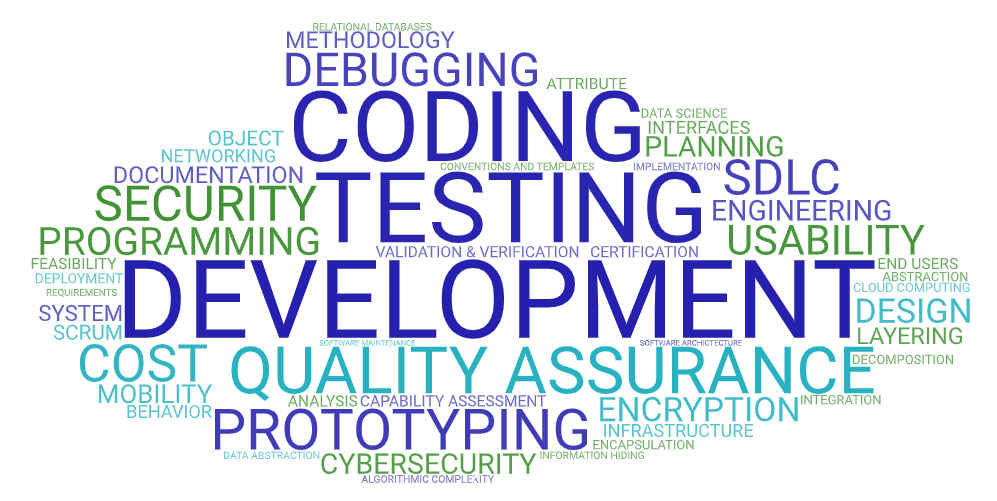
Building reliable, scalable systems. Includes architecture, code quality, testing, CI/CD, observability, and technical debt management.
📐 Product Owner
Bridging product vision and engineering execution. Covers backlog management, sprint planning, acceptance criteria, and stakeholder alignment.
🔒 Information Security
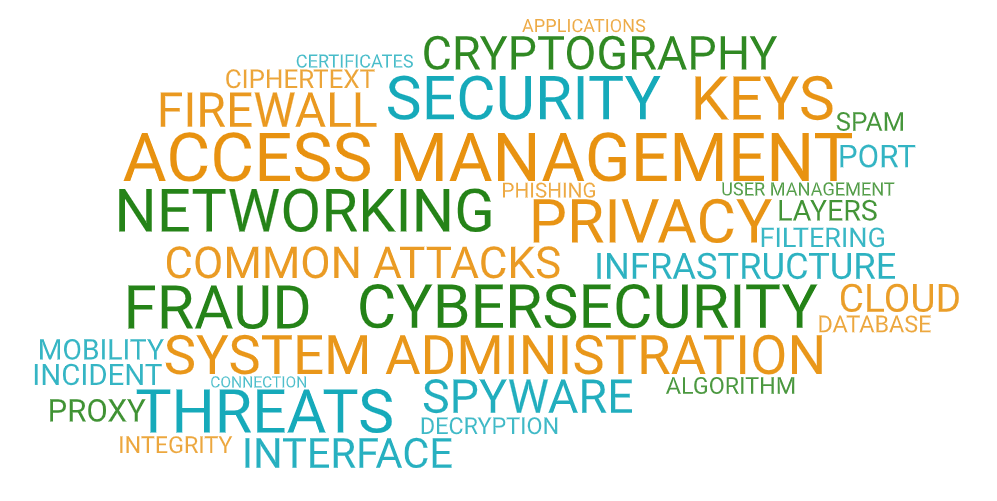
Protecting systems, data, and users. Includes threat modeling, incident response, compliance, encryption, and privacy-by-design.
🏭 Manufacturing
Producing hardware at scale. Covers sourcing, assembly, QA, logistics, and vendor management.
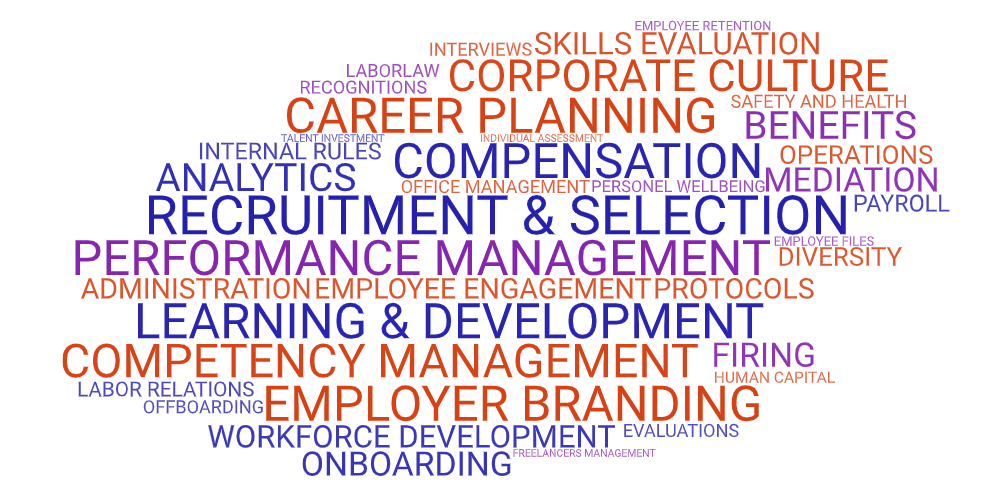
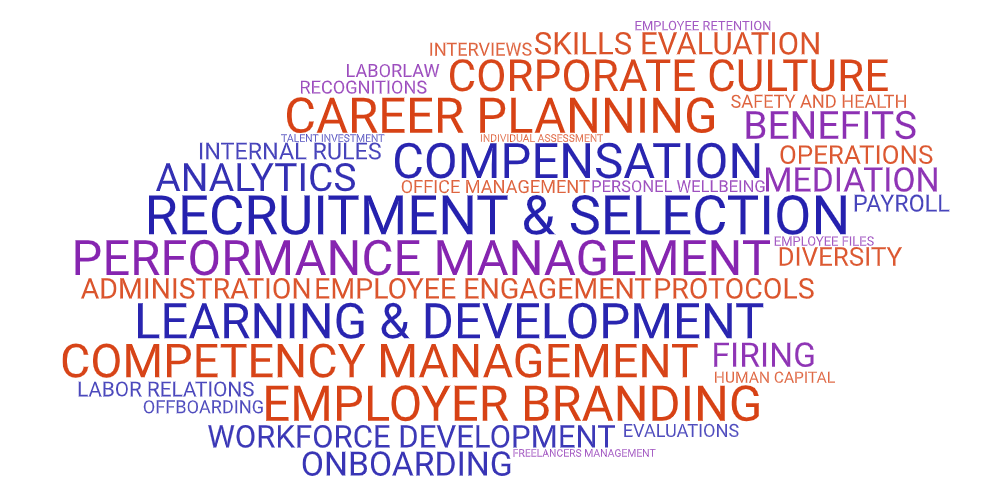
👥 Human Resources
Hiring, developing, and retaining talent. Includes recruiting, onboarding, performance management, compensation, and culture.
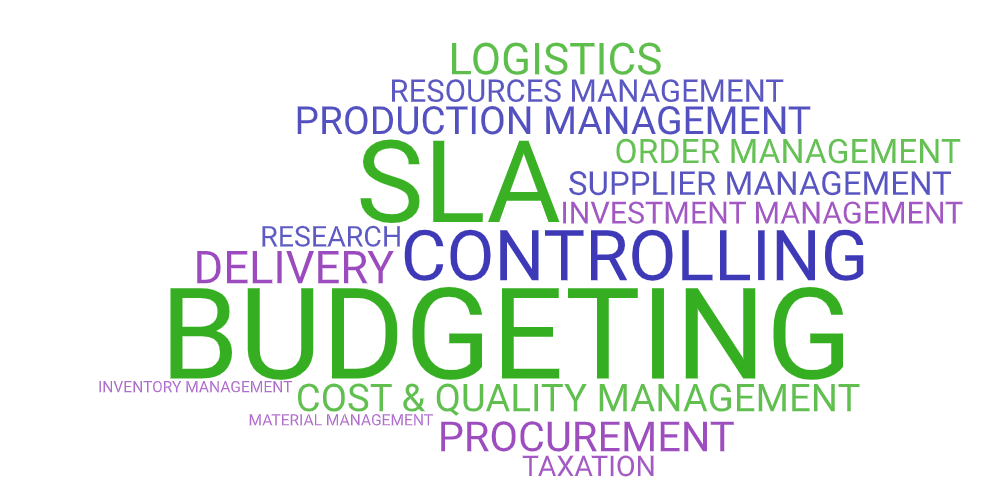
🚚 Supply Chain
Getting products from factory to customer. Covers inventory, fulfillment, shipping, and reverse logistics.
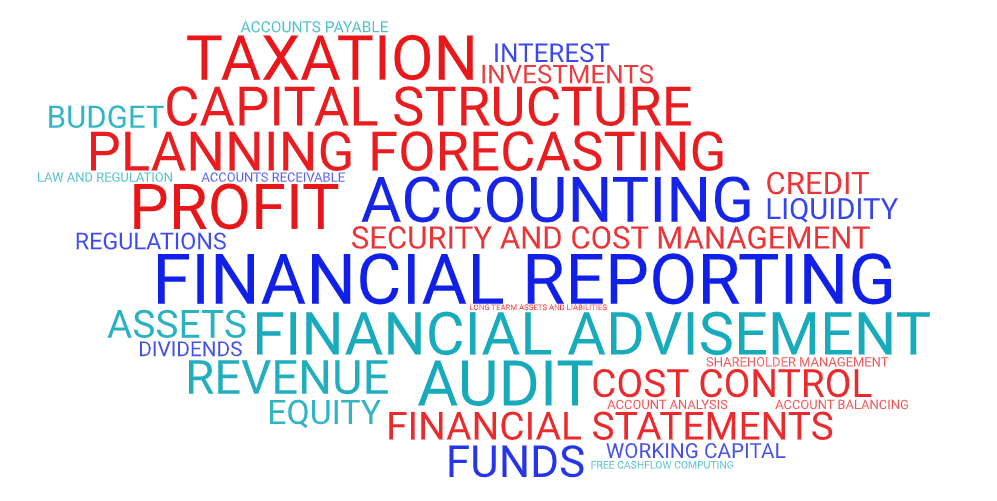
💰 Finance
Managing money and forecasting growth. Includes budgeting, reporting, cash flow, revenue ops, and compliance.
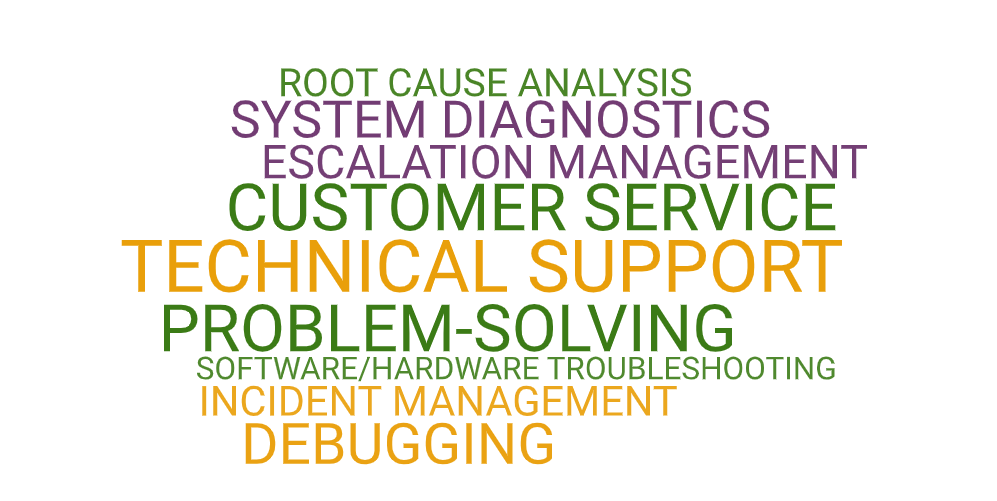
🛠️ Technical Support
Helping users troubleshoot and resolve issues. Covers diagnostics, documentation, ticket triage, and escalation.
🎯 How to Use Realms
For ICs: Focus on depth in your primary craft. Learn adjacent realms as you take on more scope.
For managers: You’ll be assessed on proficiency in relevant realms. Check your framework to see which ones apply.
For everyone: Use realms to identify knowledge gaps and build a learning plan. Work with your manager to prioritize.